
Physician's Choice 60B Probiotic
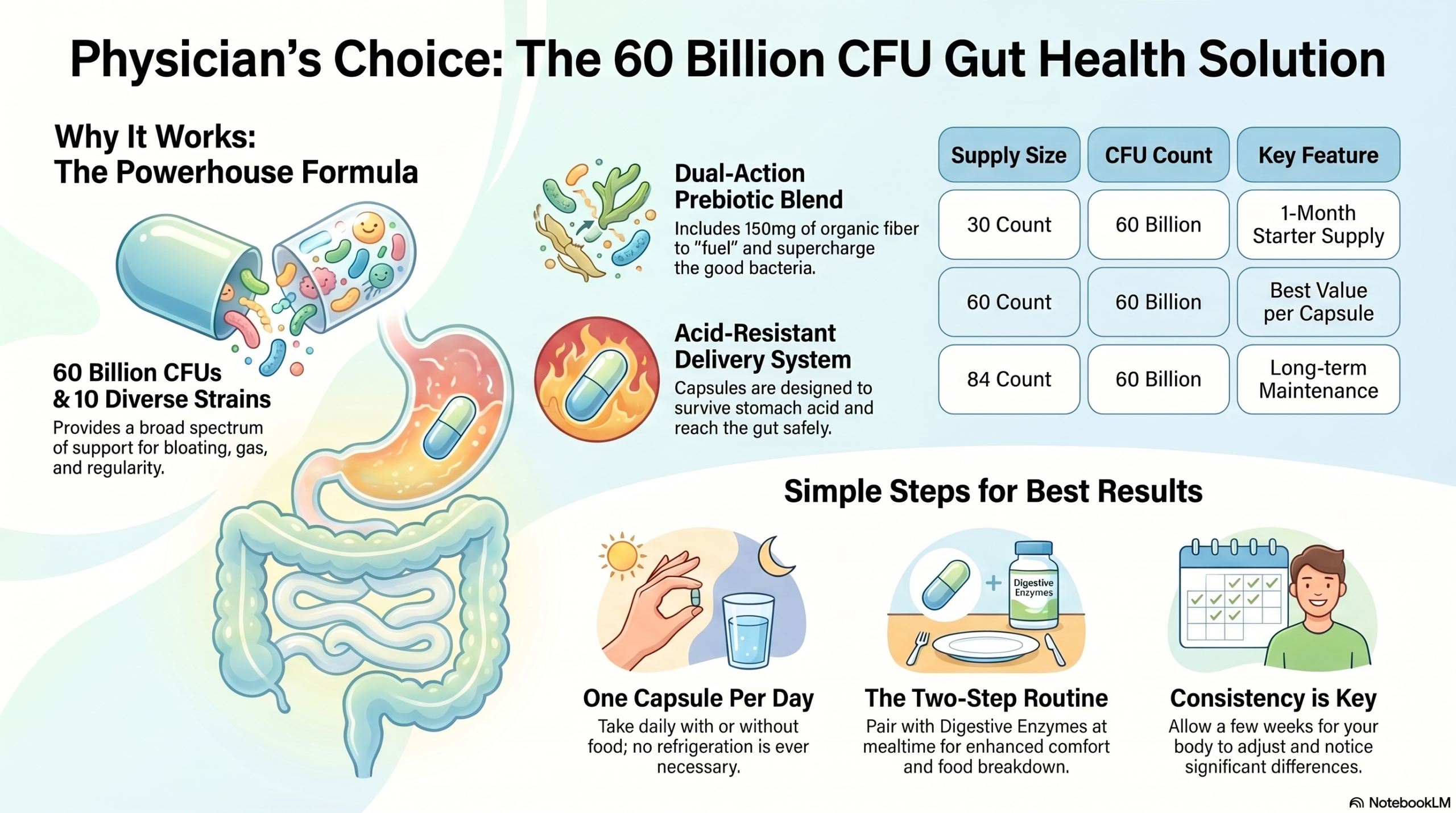
Engineered for maximum survival, this doctor-developed synbiotic combines 60 Billion CFUs with 10 broad-spectrum strains and organic prebiotics. Encapsulated in an acid-resistant shell to bypass harsh stomach acids, it provides comprehensive support for occasional bloating, gas, constipation, and overall immune health.
Mastering Metabolic Health: CGM Program
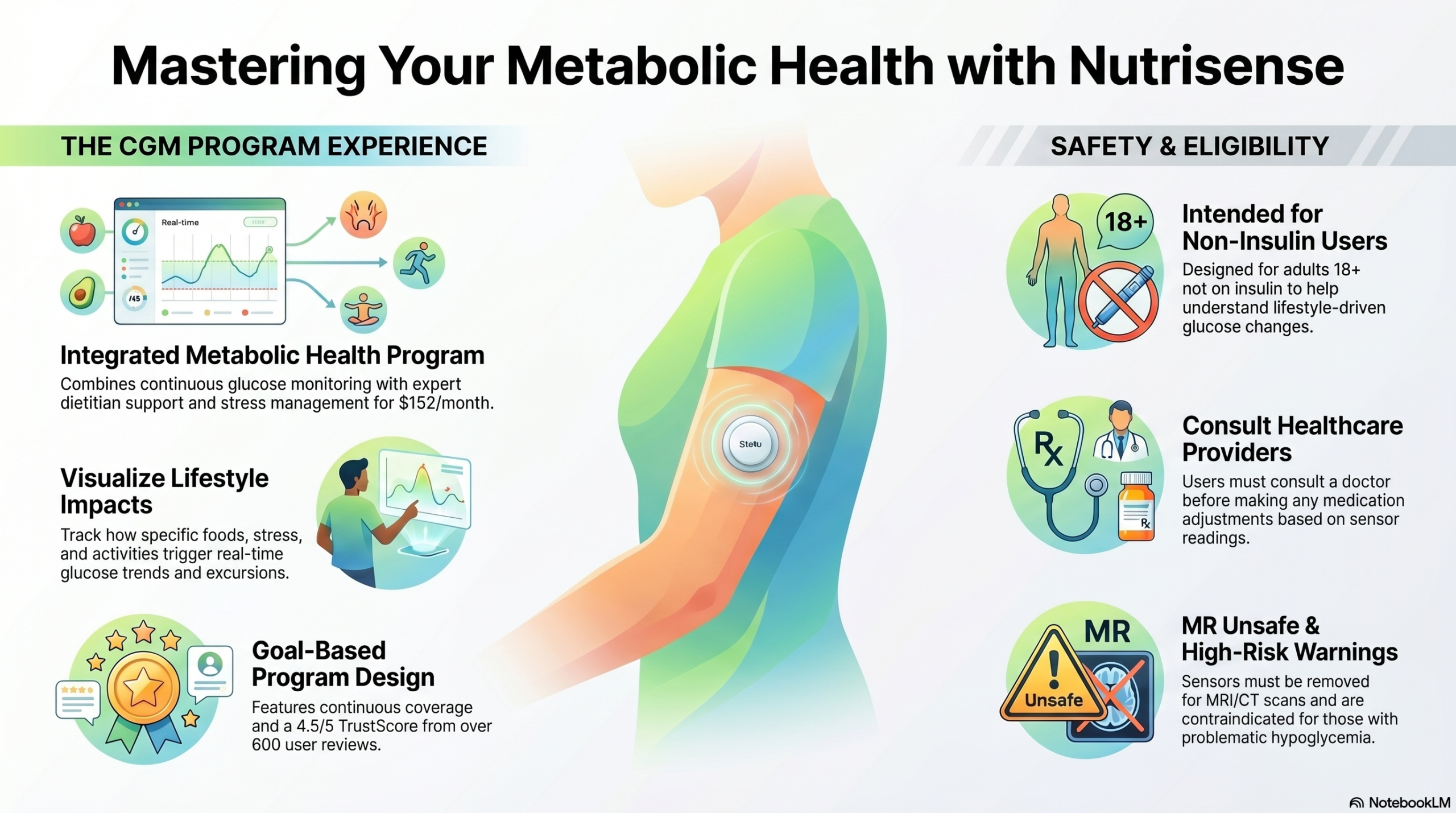
Take the guesswork out of your nutrition. This comprehensive Continuous Glucose Monitor (CGM) program provides real-time tracking of your blood sugar levels, helping you identify hidden glucose spikes, optimize metabolic function, and accelerate sustainable weight loss through personalized data.
This is a title

Type your paragraph here
This is a title
Type your paragraph here
This is a title
Type your paragraph here
This is a title
Type your paragraph here
Posture Correction & Chronic Pain (Back, Sciatica)
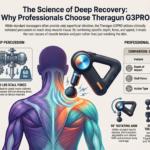
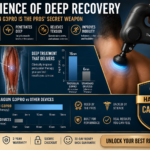
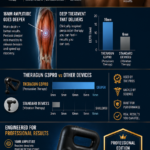
Why the Theragun G3PRO is the Pros' Secret Weapon 🤫
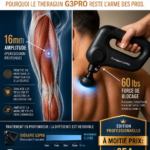
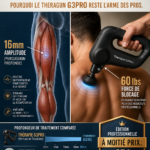
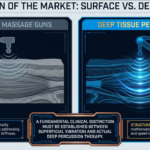
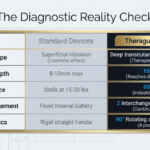
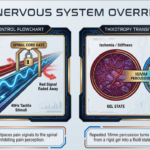
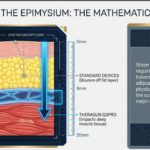
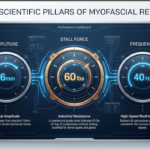
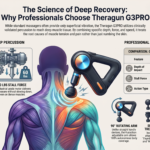
Watch until the end to discover the science of true deep muscle recovery! 🩺Standard devices only vibrate on the skin's surface. The Theragun G3PRO delivers professional-grade results with a 16mm amplitude and a powerful 60 lbs stall force to target deep muscle knots and stubborn tension. See the data and understand why medical and fitness experts trust this exact model.🛑
Percussive_Massager_Deep_Recovery_Science
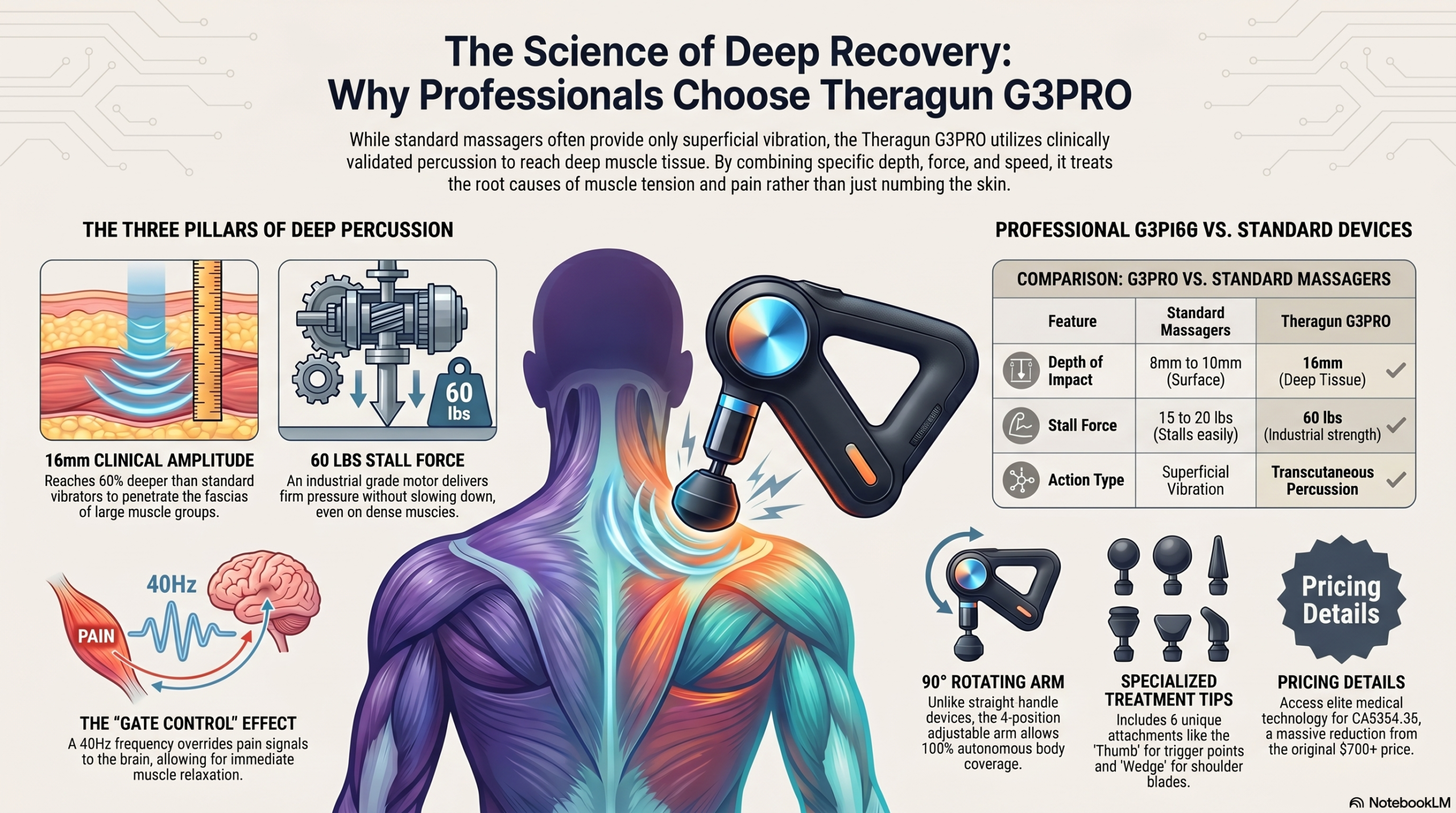
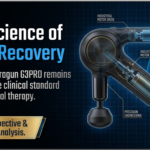
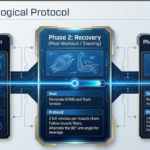
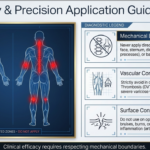
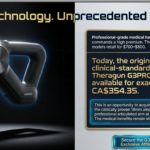
The Science of Deep Recovery: Why Professionals Choose Theragun G3PROWhile standard massagers only numb the skin surface, the Theragun G3PRO delivers deep percussive therapy to treat the root causes of muscle tension. Backed by clinical science, it combines a 16mm deep-tissue amplitude, 60 lbs of stall force, and a $40\text{Hz}$ pain-blocking frequency for immediate relief.Featuring a 90° rotating arm and 6 specialized attachments, this elite medical technology is now available for just CA$354.35 (down from $700+)


Portable Shockwave & Tecar Therapy Device – Professional Pain Relief
Experience professional-grade pain relief at home or in the clinic. This portable Extracorporeal Shock Wave & Tecar Therapy device targets deep muscle tissue, joint inflammation, and chronic pain using advanced percussive technology. Designed for fast recovery, injury rehabilitation, and deep tissue stimulation, it brings clinical-level physiotherapy right to your fingertips. Now available for just CA$341.68 (20% off).
This is a title
Type your paragraph here
This is a title
Type your paragraph here
This is a title
Type your paragraph here
Longevity & Anti-Aging
Advanced Anti-Cellulite & Firming Solution

Formulated with powerful natural ingredients, this advanced treatment targets stubborn cellulite at the source. It works deeply to improve skin elasticity, stimulate cellular renewal, and restore a smoother, firmer, and more youthful texture to your skin. Perfect for your daily longevity and body-aging care routine.
This is a title
Type your paragraph here
This is a title
Type your paragraph here
This is a title
Type your paragraph here
This is a title
Type your paragraph here
This is a title
Type your paragraph here
Sleep Optimization & Circadian Rhythms
Smart Health & Fitness Tracker
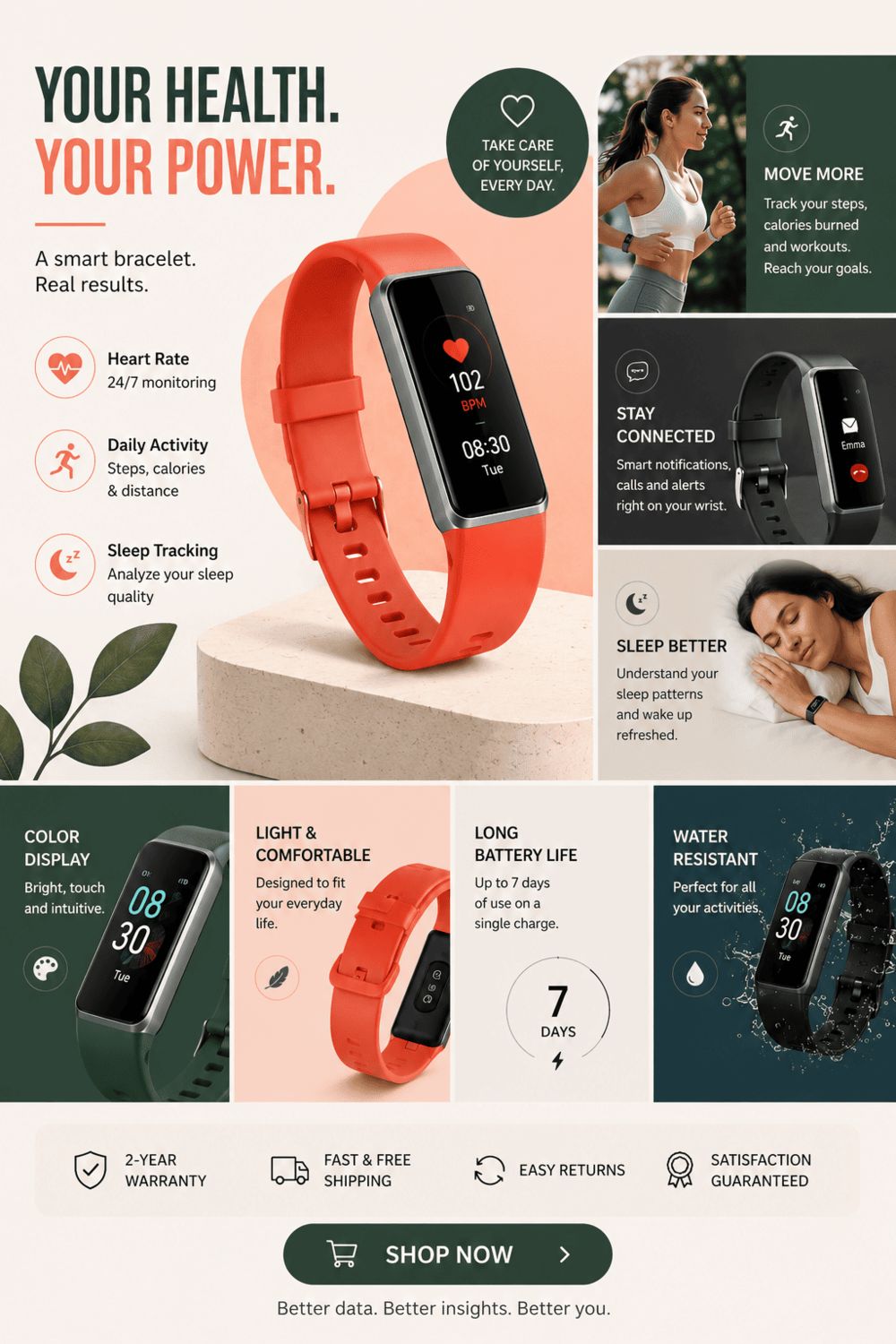
Monitor your heart rate 24/7, track sleep patterns, and reach your fitness goals with up to 7 days of battery life.
This is a title
Type your paragraph here
This is a title
Type your paragraph here
This is a title
Type your paragraph here
This is a title
Type your paragraph here
This is a title
Type your paragraph here
Metabolic Health & Weight Loss
Unlock your gut potential
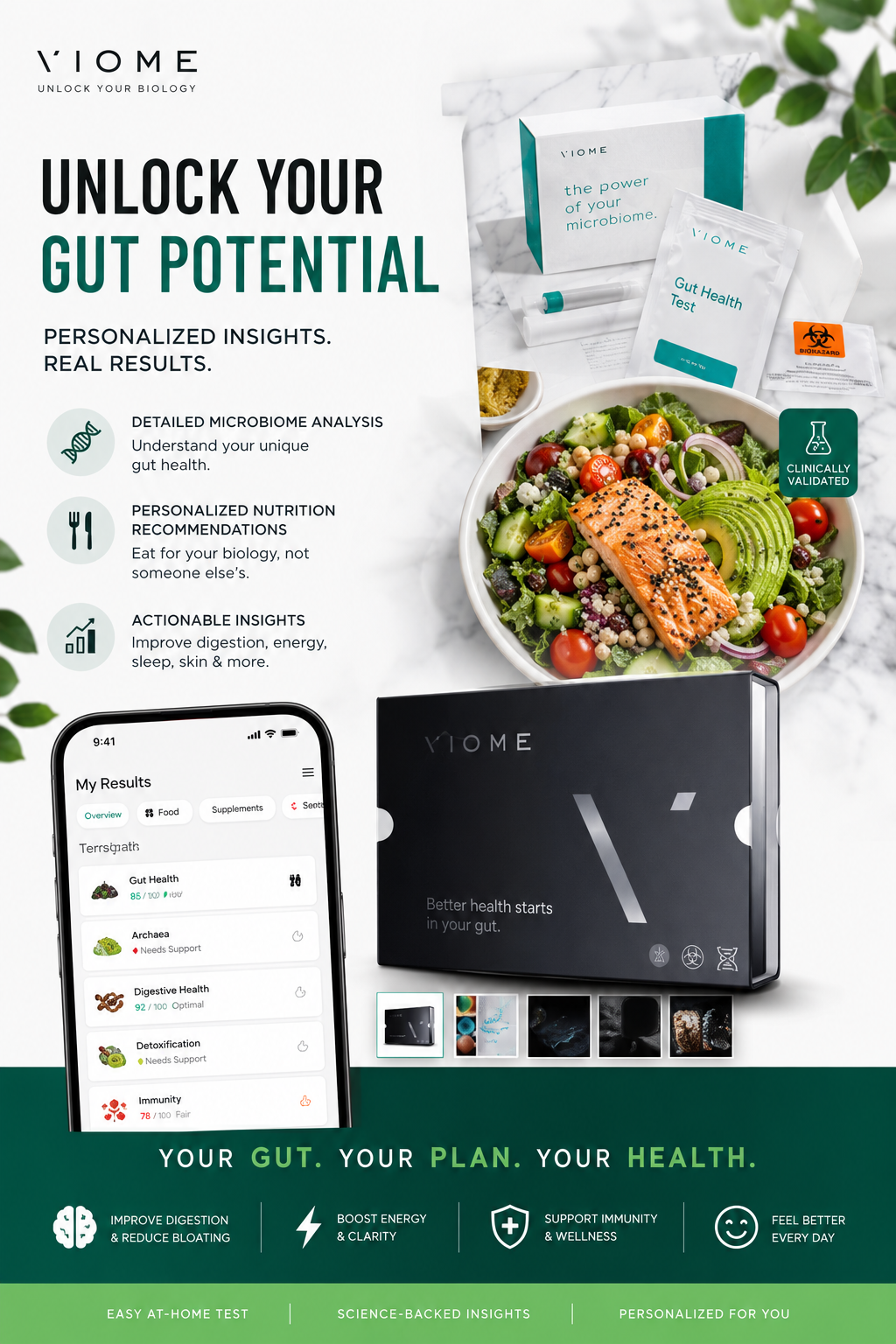
Most people treat the symptoms, but we need to treat the source. I recommend the Full Body Intelligence Test because it analyzes 30+ health scores, including your gut microbiome and cellular health. It's the only way to know exactly which foods are medicine for you and which are biological stress."
Get Guide

This is a title
Type your paragraph here
This is a title
Type your paragraph here
This is a title
Type your paragraph here
This is a title
Type your paragraph here
This is a title
Type your paragraph here
Hormonal Balance & Optimization
This is a title
Type your paragraph here
This is a title
Type your paragraph here
This is a title
Type your paragraph here
This is a title
Type your paragraph here
This is a title
Type your paragraph here
This is a title
Type your paragraph here
Get Digital Guide

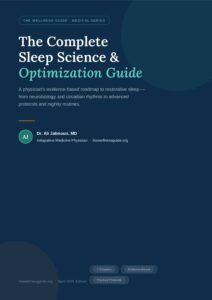
Best Articls

The Hormone & Gut Clinic
Your Body’s Invisible Saboteur: Why Your Silhouette is Betraying You (And How to Regain Control in 120 Hours) Take a look in the mirror. That uneven, dimpled texture isn’t just a "cosmetic flaw." It’s a distress signal. Your body is screaming that your tissues are suffocating, unable to drain toxins or receive oxygen. It’s not your fault—but ignoring this signal means accepting that your skin is losing its battle against time, every single day. A BIOLOGICAL EMERGENCY: Cellulite isn’t a "weight" problem. It’s cellular suffocation. Your fat cells are trapped in a rigid web of connective fibers that have hardened, cutting off vital circulation. This is why exercise alone fails: blood literally cannot reach these "dead zones." Without a targeted external intervention, this structural gridlock becomes permanent.

Sleep & Circadian Biology
The Silent Thief of Your Vitality: Is Your Nervous System Stuck in "Survival Mode"?Look at your daily life: you eat clean, you exercise, yet... you wake up exhausted. Your mind races at 3 AM, and you feel a constant, invisible weight on your chest. Your body isn't failing you; it's protecting you. It is stuck in a "Fight or Flight" loop. Until you break that cycle, no amount of vitamins or wellness trends will stop your burnout.

The Doctor's Daily Toolkit
Why Your Metabolism Refuses to Budge—And How to "Wake It Up" Without Harsh StimulantsThe Hook: Are You Gaining Weight Just by Looking at a Glass of Water?Does it feel like no matter how much you cut calories or hit the gym, the scale simply won’t move?. This is a classic sign of "Metabolic Resistance." In my 20 years as a physician, I’ve seen hundreds of patients whose internal "engines" have effectively shut down. When your metabolism is dormant, your body enters survival mode, storing every gram of fat instead of burning it for fuel. It’s not your lack of willpower—it’s a biological stalemate that needs to be broken.

Medical-Grade Weight Loss
Bloating, Fatigue, and Stubborn Weight: Stop Punishing Your Body, Start Listening to It.Why Is Your Body Betraying You?You eat the salads, you cut the sugar, yet your stomach swells after every meal and your energy crashes by 3 PM. This isn't a lack of willpower; it’s an internal biological conflict. Your body isn't "broken"—it’s simply confused because you are feeding it "superfoods" that, for your specific biology, act as inflammatory triggers.


Medical Disclaimer
The content published on TheWellnessGuide.org is intended for informational and educational purposes only. It does not constitute medical advice, diagnosis, or treatment. Always seek the guidance of a qualified healthcare provider before making any changes to your diet, supplementation, lifestyle, or health regimen. Never disregard professional medical advice or delay seeking it because of something you have read on this website. Individual results may vary.